
What Is the Tuberculosis Skin Test (PPD)?
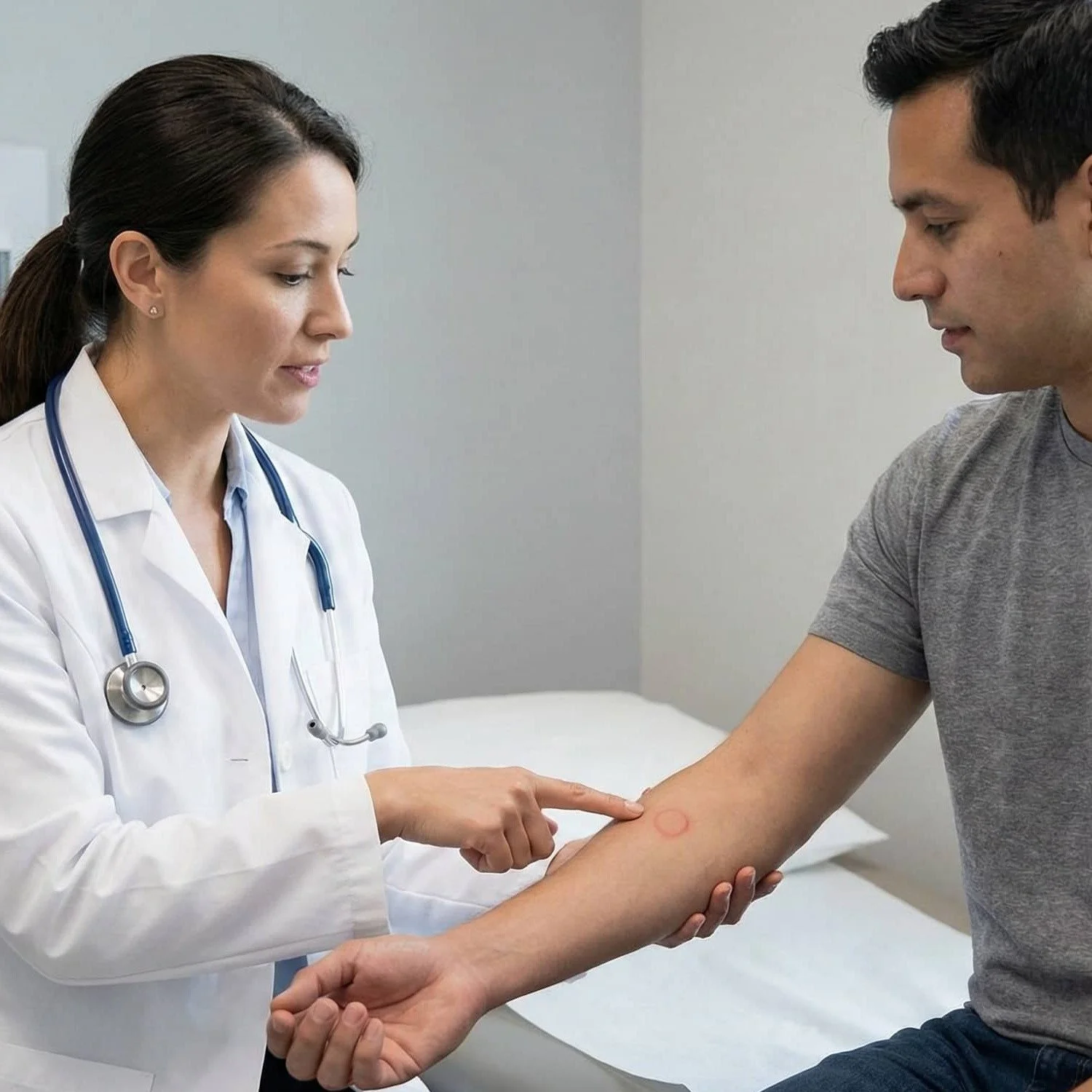
Image generated with AI for illustrative purposes only.
The tuberculin skin test, commonly known as the PPD test or Mantoux test, is a standard diagnostic method used to determine if an individual has been infected with the bacterium Mycobacterium tuberculosis. For those seeking a clear answer to what is the tuberculosis skin test, it is essential to understand that this is a screening tool rather than a vaccine. It evaluates the immune system’s reaction to a small amount of purified protein derivative (PPD) injected under the skin.
As a professional medical resource, Doctor2me emphasizes that the PPD solution is sterile and contains no live bacteria, meaning it is impossible to contract tuberculosis from the test itself.
How the TB Skin Test Is Performed and Where to Find It
The diagnostic process typically requires two separate visits to a healthcare provider. Individuals looking for where to get tuberculin skin test services can visit licensed medical clinics, urgent care centers, or specialized health facilities. It is common for patients to search for a tuberculin skin test near me or a PPD skin test near me to locate the most convenient facility for these two mandatory appointments.
The Procedure
Administration: A healthcare professional injects 0.1 ml of PPD solution intradermally into the inner surface of the forearm. According to Mayo Clinic, the procedure is nearly painless, resulting in a small, pale bump (wheal) on the skin.
The Waiting Period: Once the TB skin test is administered, the patient must wait 48 to 72 hours for the reaction to develop. During this time, the site should not be scratched, covered with a bandage, or treated with topical creams.
Reading a Tuberculin Skin Test: Interpreting the Results
The second visit is crucial for a definitive assessment. The process of reading a tuberculin skin test involves a professional examination of the injection site to measure the diameter of any induration (a hard, raised area).
What the Results Look Like
Patients often want to know what to expect during the follow-up:
What does a negative tuberculosis skin test look like: A negative result typically shows no firm swelling at the site. While some slight redness may occur, it is not considered part of the measurement.
What does a positive PPD skin test look like: A positive reaction is characterized by a hard, raised bump. The size of this induration, measured in millimeters, determines the clinical significance of the test.
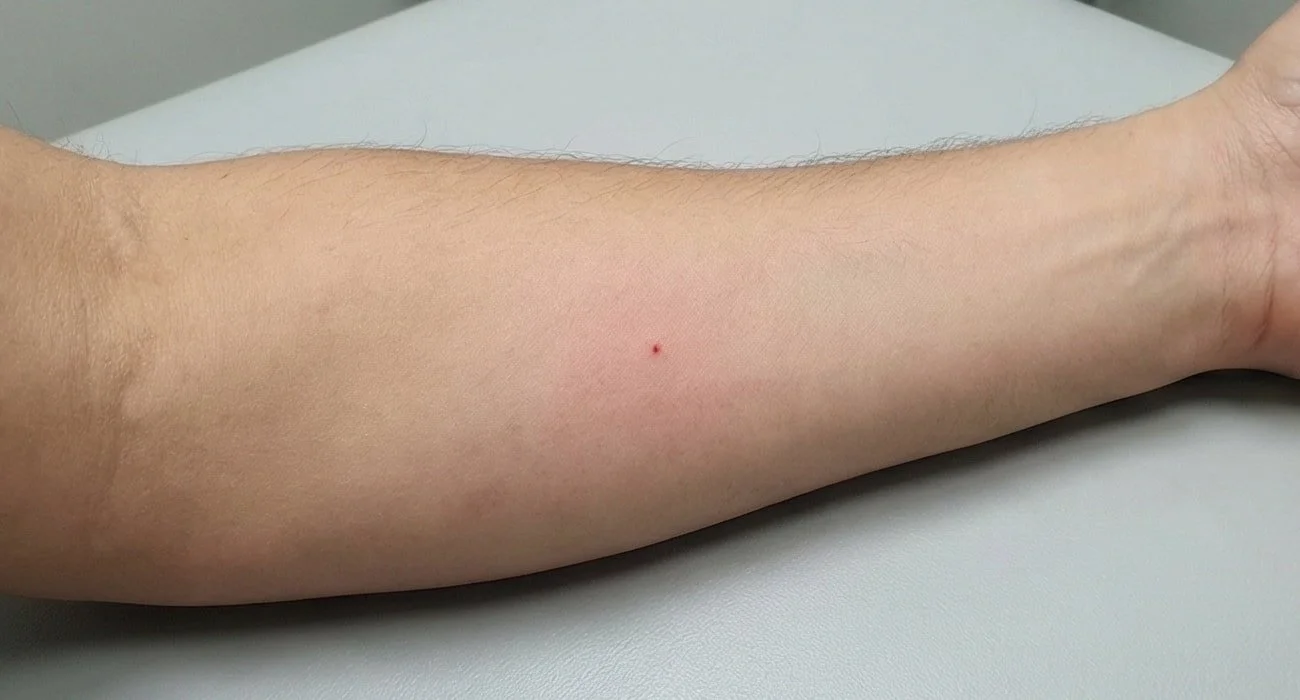
Negative PPD Skin Test Reaction. Image generated with AI for illustrative purposes only.
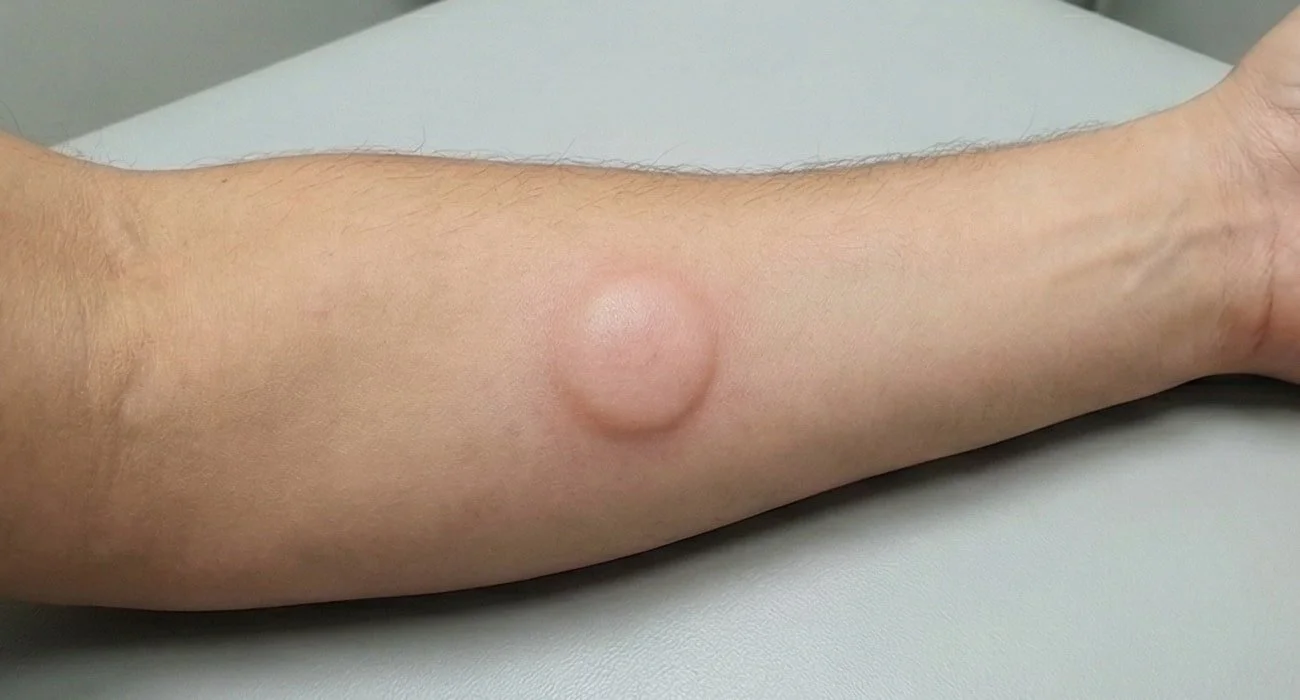
Positive PPD Skin Test Reaction. Image generated with AI for illustrative purposes only.
The Centers for Disease Control and Prevention (CDC) have established specific criteria for a positive result based on individual risk factors:
| Induration Size | Who Is Considered Positive |
| 5 mm or more | Immunocompromised individuals, including people with HIV, or those with recent close contact with active tuberculosis cases. |
| 10 mm or more | Healthcare workers, children under 4 years of age, and individuals with certain chronic medical conditions. |
| 15 mm or more | Healthy individuals with no known risk factors for tuberculosis. |
Next Steps After a Tuberculin Skin Test Positive Result
Receiving a tuberculin skin test positive result indicates that the immune system has recognized the TB proteins, but it is not a final diagnosis of active disease.
The National Institutes of Health (NIH) categorize positive findings into two possibilities:
Latent TB Infection: The bacteria are present but dormant. The individual is not contagious and shows no symptoms, though treatment may be recommended to prevent future activation.
Active TB Disease: The bacteria are multiplying, and the individual may be symptomatic and contagious, requiring immediate medical intervention.
If a patient is Mantoux skin test positive, a physician will typically order follow-up diagnostics, such as a chest X-ray or a blood test (IGRA). These additional steps are vital for individuals who have previously received the BCG vaccine, which can sometimes cause a false-positive skin reaction.
Employment Requirements and the LIC 602 Form
For many professionals in healthcare, education, and senior living, regular TB screening is a mandatory safety protocol. In various regions, including California, working in residential care facilities for the elderly requires official documentation of a clear TB status via the LIC 602 form.
This document serves as a verified record of the medical examination and test results, ensuring the safety of vulnerable populations. Further details on the TB clearance process and the requirements for the LIC 602 form can be found here.
Timely screening remains the "gold standard" for public health. Leading research groups confirm that consistent testing is the most effective way to monitor and control the spread of tuberculosis within the community.
References
CDC (Centers for Disease Control and Prevention) — Tuberculin Skin Testing
CDC (Centers for Disease Control and Prevention) — Testing & Diagnosis of Latent Tuberculosis Infection
NIH (National Institutes of Health / MedlinePlus) — Tuberculin Skin Test (PPD)
Mayo Clinic — Tuberculosis: Diagnosis & Treatment
CMS (Centers for Medicare & Medicaid Services) — Quality Safety & Oversight: TB Screening for Healthcare Personnel
Kaiser Permanente Division of Research — Tuberculosis Prevention and Population Health Studies
Lic602.com — TB Clearance for Assisted Living: Requirements and Process
