
Can an Out-of-State Physician Complete the Lic 602?
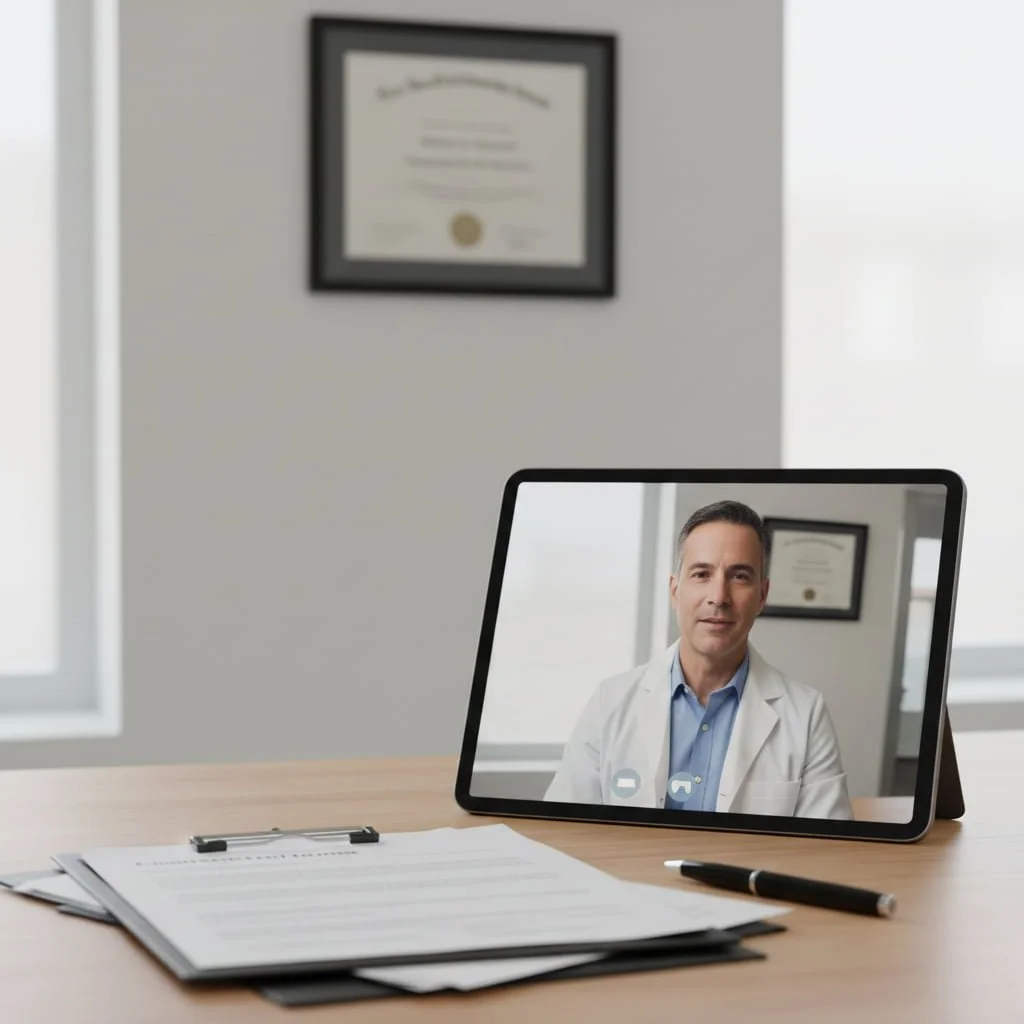
Image generated with AI for illustrative purposes only.
Completing the lic 602 (Physician’s Report for Residential Care Facilities for the Elderly) is a mandatory requirement for any senior planning a move into a Residential Care Facility for the Elderly (RCFE) in California. A common dilemma families face during the transition process is determining whether a physician from another state is legally authorized to complete this medical evaluation.
The following analysis details California’s regulatory requirements and practical solutions, incorporating clinical standards from leading medical organizations.
Licensing Requirements for the Physician Report 602
Generally, the answer regarding out-of-state signatures is no. According to the California Department of Social Services (CDSS) and Title 22 of the California Code of Regulations, the medical report required for admission must be completed by a physician licensed to practice in the State of California.
Why This Restriction Exists
Jurisdiction: California regulatory bodies only hold oversight authority over medical professionals licensed by the Medical Board of California.
State-Specific Standards: The physician report 602 requires an assessment of specific criteria—such as TB clearance, ambulatory status, and fire safety evacuation capability—that are strictly defined by California state law.
Accountability: The Community Care Licensing Division (CCLD) must be able to verify the credentials and current professional standing of the signing physician during facility audits.
Solutions for Out-of-State Transitions
While the general rule mandates a California license, there are effective ways to navigate this requirement when moving a loved one from a different region.
1. Utilizing Telehealth Services
If a physician is physically located in another state but holds a valid medical license in California, they are legally authorized to complete and sign the report. Services like Doctor2me provide a seamless solution in these instances, allowing families to complete necessary paperwork without the stress of arranging an immediate in-person visit upon arrival in the state.
2. Coordination for Out-of-State Residents
If a prospective resident currently lives in a state like New York or Florida, a form signed solely by their local primary care physician will typically be rejected. The standard protocol for a successful transition involves:
Engaging a California-licensed physician.
The California doctor conducts an assessment (in-person or via secure telehealth channels) and reviews medical records transferred from the out-of-state provider.
The final report is then issued based on this comprehensive clinical review.
Clinical Standards for the Physician Report for Community Care Facilities
To ensure the highest level of safety and resident well-being, the physician report for community care facilities must align with national medical protocols. Physicians and facilities rely on standards from respected organizations to ensure the accuracy of these evaluations:
Centers for Disease Control and Prevention (CDC): Per Title 22, the tuberculosis (TB) screening required in the report must follow current CDC guidelines. This is vital for maintaining infection control within communal living environments.
National Institutes of Health (NIH): Research from the NIH emphasizes that a Comprehensive Geriatric Assessment (CGA) is the "gold standard" for determining a senior’s functional abilities and identifying the appropriate level of support.
Mayo Clinic: Experts at the Mayo Clinic recommend a structured approach to assessing cognitive health and Activities of Daily Living (ADLs). These clinical observations are directly reflected in the sections of the report concerning memory care and self-care capacity.
Centers for Medicare & Medicaid Services (CMS): The methodology used to evaluate physical status and care plans mirrors the high-quality standards set by CMS for long-term care documentation.
Kaiser Permanente: Major healthcare systems, such as Kaiser Permanente, utilize established internal protocols for the efficient transfer of medical data, which significantly accelerates the completion of required state forms for their members.
Practical Recommendations for Families
To ensure a smooth admission process, families should consider the following steps:
Verify the License: Before scheduling an appointment, confirm the physician’s California license number through the official Medical Board of California website.
Confirm with the Facility: It is advisable to check with the chosen RCFE administrator to ensure they will accept a report from a specific provider. Most facilities strictly adhere to the local physician requirement to remain in compliance with state inspectors.
Monitor the Timeline: The medical evaluation must be completed no more than 6 months prior to the date of admission. If the search for a facility is in its early stages, it is often best to wait until a move-in date is closer so the medical data remains current.
Summary
For a successful transition and regulatory compliance in California, the required medical report must be signed by a California-licensed physician. Utilizing specialized services like Doctor2me ensures that families receive accurately prepared documentation that meets all state legal and health standards without unnecessary delays.
References
California Department of Social Services (CDSS) — Form LIC 602A: Physician's Report for Residential Care Facilities for the Elderly (RCFE)
California Office of Administrative Law — California Code of Regulations, Title 22, Division 6, Chapter 8 (Residential Care Facilities for the Elderly)
Medical Board of California — Physician Licensure and Practice Act Requirements
Centers for Disease Control and Prevention (CDC) — Tuberculosis (TB) Screening and Testing Guidelines for Health Care Personnel
National Institutes of Health (NIH) / National Institute on Aging — The Importance of Comprehensive Geriatric Assessment for Older Adults
Mayo Clinic — Geriatric Assessment: Assessing Senior Health and Functional Status
Centers for Medicare & Medicaid Services (CMS) — Minimum Data Set (MDS) and Physician Documentation Standards for Long-Term Care
Kaiser Permanente Division of Research — Clinical Practice Guidelines for Senior Care Coordination and Documentation
