
What is a TB Clearance for Assisted Living?
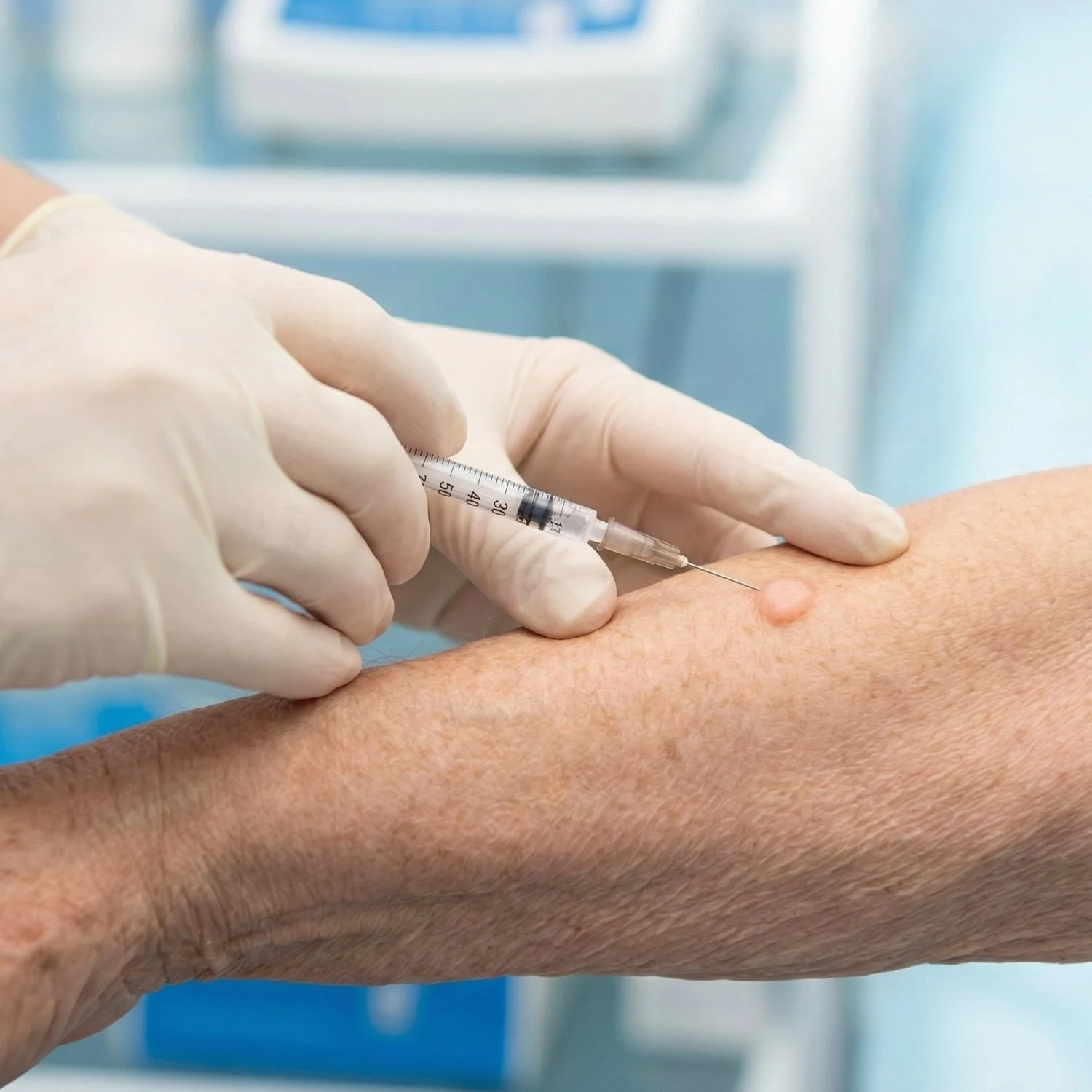
Image generated with AI for illustrative purposes only.
A medical document known as What is a TB Clearance for Assisted Living? serves as official proof that an individual does not have an active form of tuberculosis. Understanding what is a TB clearance for assisted living is essential for anyone planning a move into a senior living community or seeking employment in the caregiving sector. Because the process involves specific clinical steps, many people ask, "how long does it take to get a tb test?" Generally, the timeline depends on the type of test, ranging from two days for a skin test reading to several days for laboratory results.
Why is Testing Required?
Tuberculosis (TB) is an airborne infection that can spread easily in communal living environments. Since seniors in assisted living often have weakened immune systems, ensuring that every resident and staff member is free from infection is a top priority. Regular ppd testing for tb helps maintain a safe, healthy environment for everyone in the facility.
Primary Diagnostic Methods
To obtain a clearance, healthcare providers typically use one of two main diagnostic approaches:
1. The TB Skin Test (PPD)
This is the most traditional method. For those curious about what is in the tb skin test, it involves a small amount of purified protein derivative (tuberculin) injected just under the top layer of skin on the forearm.
The Procedure: After the injection, the individual must return to the clinic within 48 to 72 hours.
The Reading: A healthcare professional is trained in how to read a tb skin test result by measuring the size of the raised, firm area (induration), rather than just the redness.
The Outcome: There are normal tb skin test reactions where no significant swelling occurs. however, if a result is positive in tb skin test, it does not necessarily mean the person is sick; it usually indicates a need for a follow-up chest X-ray to confirm the lungs are clear.
2. Blood Tests for TB
Modern blood tests for tb, such as the IGRA (QuantiFERON or T-SPOT), are becoming increasingly popular. These tests require only a single visit for a blood draw. They are highly accurate and are not affected by previous BCG vaccinations, which can sometimes cause false results in a standard tb skin test.
Where to Get Tested and How to Prepare
A common concern for families is finding a provider: "where to get tb test done near me?" Testing is widely available at primary care offices and specialized clinics. If you are on a tight schedule and wondering "do urgent cares do tb tests?"—the answer is yes; most urgent care centers provide these tests on a walk-in or scheduled basis.
Common Questions Regarding Preparation
| Question | Answer |
| Can you get a TB test while sick? | While a mild cold usually doesn’t interfere, it is best to wait if you have a high fever or a severe viral illness. |
| Can I eat before a TB test? | Yes. There are no dietary restrictions, and you do not need to fast before a skin test or a blood draw. |
Who Needs a TB Clearance?
New Residents: Most states require proof of clearance within 30 to 90 days prior to move-in.
Staff Members: Employees, from nurses to administrative staff, must undergo a tb skin test upon hire and often on an annual basis.
Volunteers: Anyone spending significant time in the facility is typically subject to the same safety standards.
The Role of the Chest X-Ray
If a person has a history of positive skin tests, a chest X-ray is the standard way to receive a clearance. If the X-ray shows no signs of active disease, the physician can sign off on the TB Clearance, confirming the individual is safe to live or work in the community.
Securing a TB Clearance is a straightforward but vital step in the assisted living placement process. Whether opting for a traditional tb skin test or a modern blood draw, the goal is the same: protecting the health of vulnerable seniors. It is recommended to begin the testing process at least two weeks before your deadline to ensure all results are processed and signed by a healthcare provider.
References
Centers for Disease Control and Prevention (CDC) — Testing for TB Infection
Centers for Disease Control and Prevention (CDC) — Tuberculosis: Screening and Testing of Health Care Personnel
California Department of Social Services (CDSS) — Physician's Report for Residential Care Facilities for the Elderly (Form LIC 601)
California Department of Public Health (CDPH) — Tuberculosis (TB) Risk Assessment Process for RCFE
Mayo Clinic — Tuberculosis: Diagnosis & Treatment
American Lung Association — Tuberculosis (TB) Testing and Diagnosis
Cleveland Clinic — Tuberculosis (TB) Test (PPD Skin Test)
