
Overcoming Guilt Syndrome: Finding Emotional Balance During the Transition to Senior Care
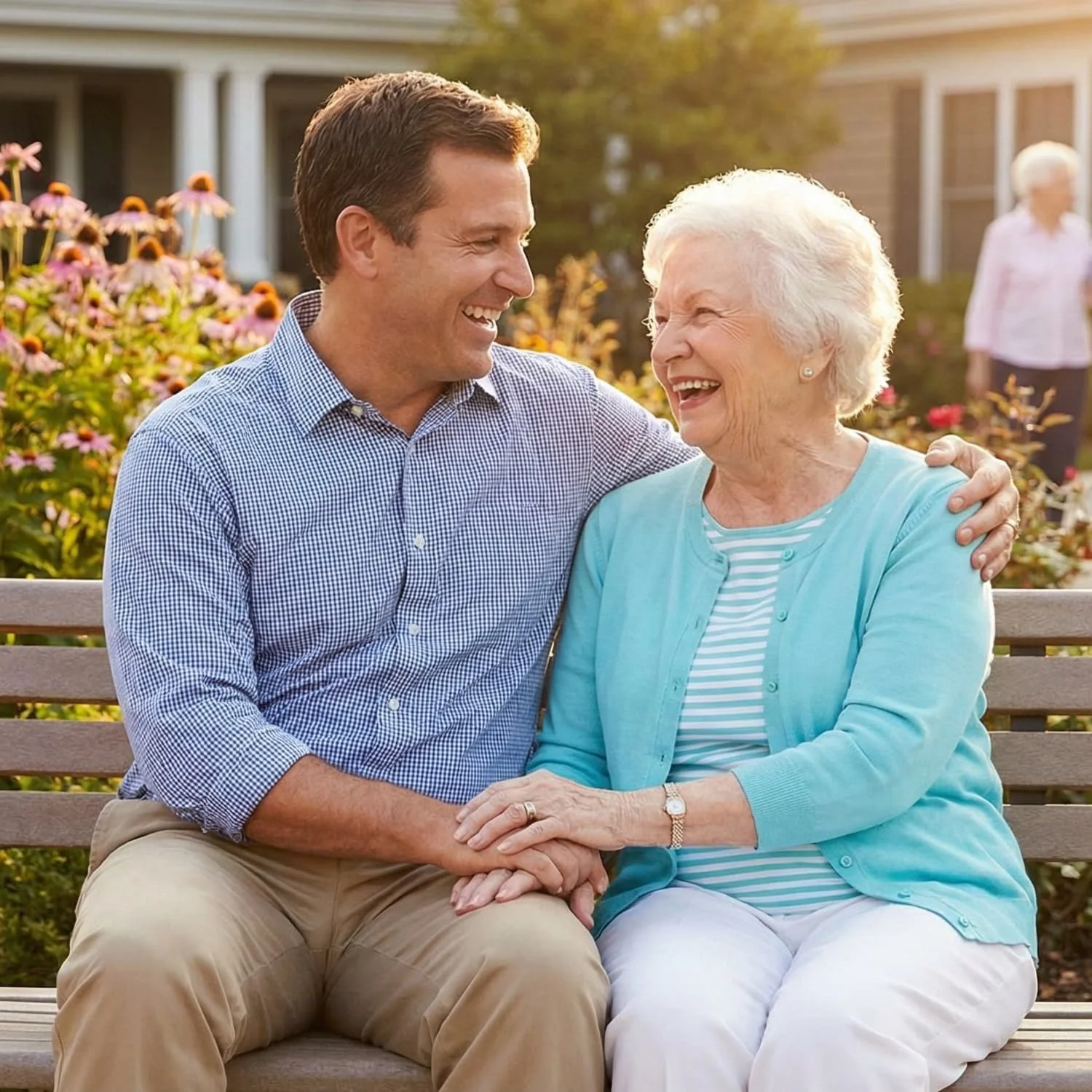
Image generated with AI for illustrative purposes only.
The decision to transition a loved one into a senior care facility is a profound psychological challenge, often triggering a pervasive guilt syndrome characterized by intrusive thoughts of "betrayal" or "abandonment." To effectively manage this state, one must shift the focus from personal emotional distress to the objective needs of the senior, acknowledging that professional medical supervision and safety are priorities that often cannot be fully met within a household. Understanding that this transition is an act of proactive care, rather than an avoidance of it, serves as the foundation for regaining emotional peace.
The Psychological Definition of Guilt and Its Origins
In modern psychology, the definition of guilt is frequently tied to an internal conflict between a chosen action and deeply rooted moral expectations. When a family decides on a residential facility, this conflict is intensified by several external and internal factors:
Social Stereotypes: The cultural narrative of "caring for one’s own at home at any cost" can lead to a fear of being judged by others.
The Weight of Past Promises: Many carry the burden of promises made years ago to "never move a parent," without accounting for the complex medical realities that come with aging.
The Illusion of Control: There is often a belief that only personal care can be "the best," even when professional intervention is objectively safer and more effective.
According to experts at the Mayo Clinic, these emotions are a natural part of the "caregiver stress cycle." It is essential to recognize that striving for perfection at the expense of a loved one’s safety—and one's own health—is a counterproductive path.
Why Intense Guilt Feelings Arise
To process this transition effectively, it is helpful to analyze why specific guilt feelings emerge. These emotions are often fueled by outdated myths that do not reflect the reality of modern professional care.
| Myth | Reality |
| A senior facility is a place of loneliness. | Modern residences provide 24/7 medical monitoring, social engagement, and structured activities. |
| Moving a loved one is an act of betrayal. | Delegating physical labor allows family members to preserve their energy for meaningful emotional connection. |
| The senior is always safer at home. | If a person requires specialized equipment or constant supervision, the home environment can become a high-risk zone. |
Research conducted by the Kaiser Permanente Division of Research confirms that the chronic strain experienced by those providing high-level care at home often leads to clinical depression. Transitioning to a professional setting is frequently the most responsible way to protect the mental health of the entire family.
Professional Support vs. Care Services at Home: Making the Choice
Many families delay the transition for years, relying solely on care services at home. However, an honest assessment of whether the home environment can truly provide safety is necessary. If a loved one’s condition requires specialized medical beds, immediate emergency response, or round-the-clock nursing, the familiar walls of a house may no longer be an advantage.
The Centers for Disease Control and Prevention (CDC) emphasize that elderly care is a significant public health matter. CDC data suggests that family caregivers are at a significantly higher risk for hypertension and weakened immune systems due to prolonged stress. Acknowledging that specialized help is required is a sign of maturity and a decision made in the best interest of the senior's well-being.
How to Manage Guilt: The Path to Internal Peace
The adaptation process becomes more manageable when following a structured psychological strategy. There are several key steps to understanding how to manage guilt and transform it into constructive care:
Conducting a Personal Quality Audit: Visiting the facility, meeting the staff, and observing the daily atmosphere helps build confidence in the decision. Seeing professional care in action naturally lowers anxiety levels.
Separating Maintenance from Love: It is vital to distinguish between technical care (hygiene, medication, meals) and emotional care (love, conversation, shared memories). A facility handles the technical aspects, freeing the family to focus on the relationship.
Gradual Adaptation: Arranging a trial stay allows all parties to adjust to the new rhythm without the pressure of a "final" decision.
Maintaining the Emotional Connection: Regular visits and video calls demonstrate that the loved one has not been "left," but rather relocated to a safer environment where family presence remains a constant.
As noted by the National Institute on Aging (NIH), the family's role does not diminish; it simply shifts from physical labor to high-quality emotional support.
Addressing the Recurring Feeling of Guilt
During moments of intense feeling guilt, Mayo Clinic specialists recommend practicing "self-compassion." One should imagine what advice they would give to a close friend in the same situation. Most likely, that advice would be rooted in support and understanding rather than criticism. Applying this same kindness to oneself is crucial for long-term recovery.
Conclusion
The decision to move a loved one is always driven by a desire to ensure their protection. Research from leading institutions like the NIH and the CDC confirms that moving to professional care can significantly improve the quality of life for seniors. While guilt feelings are a common temporary hurdle, they typically subside once it becomes clear that the loved one is safe, nourished, and no longer isolated.
References
Mayo Clinic — Caregiver stress: Tips for taking care of yourself
Centers for Disease Control and Prevention (CDC) — Caregiving for Family and Friends — A Public Health Issue
Kaiser Permanente Division of Research — Caregiving
Centers for Medicare & Medicaid Services (CMS) — Nursing Home Quality Initiative
