
TB Test for LIC 602A: Choosing Between Skin and Blood Screening for RCFE Admission
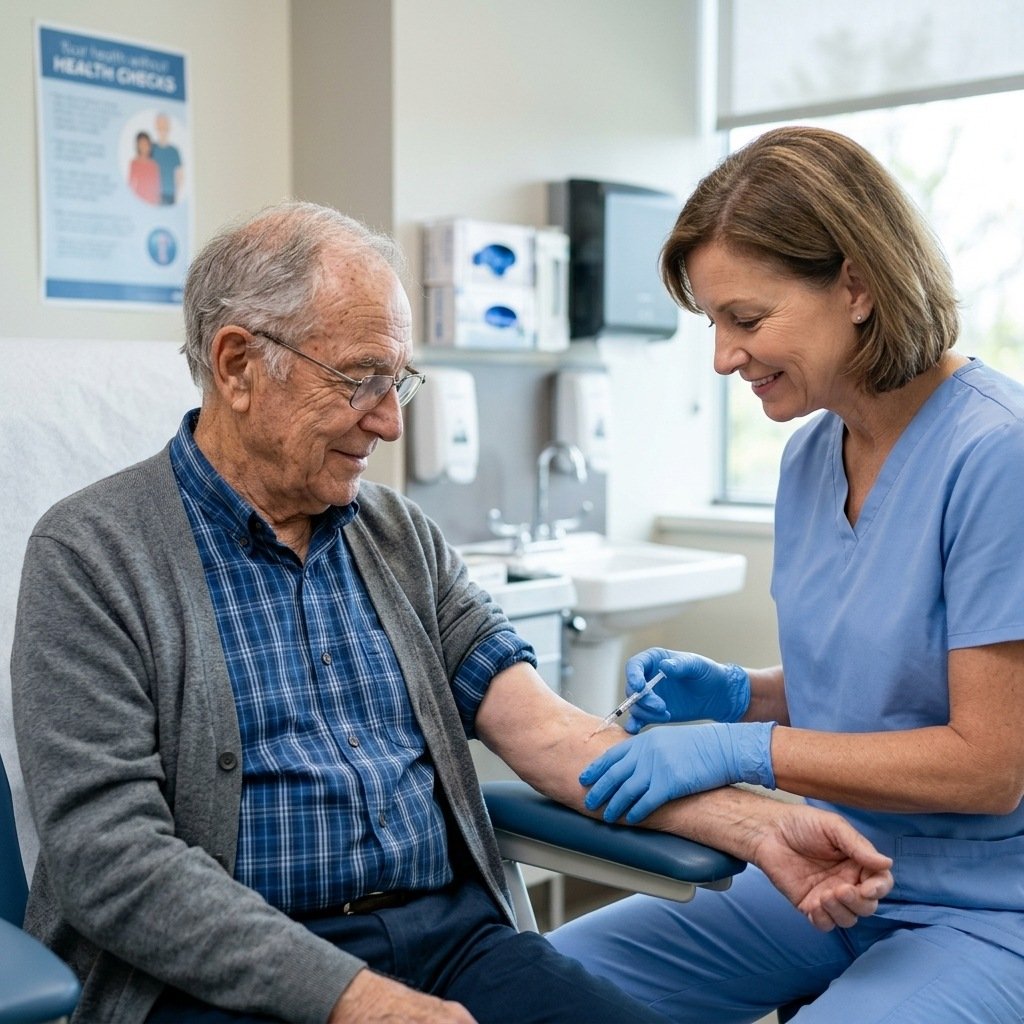
Image generated with AI for illustrative purposes only.
If you need atuberculosis (TB) test for a parent's LIC 602A form, the blood test (IGRA) is often the superior choice because it requires only one visit and avoids the confusion of false-positive results. The skin test can yield ambiguous outcomes, which often lead to unnecessary chest X-rays and delays. For families coordinating an Assisted Living move, the blood test offers a more efficient path to fulfilling state requirements.
Streamline Your LIC 602A Process
Gathering medical records for form LIC 602A is a massive job. You must coordinate with doctors, labs, and facility managers. It is easy to feel overwhelmed. You might worry about making a small mistake that delays the move.
You do not have to handle this bureaucracy alone. You can delegate this work to experts who do this every day. Our team at lic602.com specializes in managing these medical forms. We ensure every detail is correct. We verify the TB results and confirm the paperwork meets state standards.
Focus on spending time with your parents during this transition. Let us handle the complex forms and the communication with the medical office. You will save time and avoid unnecessary stress. Visit our request form to get started today.
Why TB Screening is Mandatory for RCFE Placement
California requires a TB screening for all residents entering a Residential Care Facility for the Elderly (RCFE). This rule exists to maintain safety and prevent the spread of infectious disease within congregate living environments. When you move a parent into care, you are not just checking a box; you are adhering to Title 22 of the California Code of Regulations, which dictates the admission standards for senior housing.
The Role of California Regulation
Facilities must verify that each new resident is free of active tuberculosis before they move in. According to CDC guidelines, missing or improperly documented screening results remain a primary reason for admission delays. If the paperwork is incomplete, the facility has no choice but to push back the move-in date. This creates massive stress for you and your parents.
Ensuring Compliance for Move-in Day
The Department of Social Services performs regular audits on these facilities. They inspect the physical records of every resident. If a facility admits a resident without a valid, documented TB result, they face heavy fines. Because of this, the admissions director will review your paperwork with extreme care. You must ensure that every date, signature, and lab result is accurate to avoid these roadblocks.
TB Skin Test vs. Blood Test: A Comparative Analysis
Families often struggle to choose between the Mantoux tuberculin skin test and the Interferon-Gamma Release Assay (IGRA) blood test. Both methods identify the presence of Mycobacterium tuberculosis, but they differ significantly in execution and reliability. Understanding these differences is the first step toward a seamless admission process.
Operational Differences in Testing
The skin test requires a trained professional to inject fluid under the skin. You must then return for a follow-up appointment 48 to 72 hours later to have the reaction measured. If you miss that specific window, the test becomes invalid. You must repeat the entire procedure.
The blood test requires a single visit to a laboratory for a standard blood draw. A trained technician collects the sample, which is then sent to a secure facility for analysis. There is no need for a follow-up visit. This saves you time and reduces the number of trips required for your parents.
| Feature | TB Skin Test (Mantoux) | TB Blood Test (IGRA) |
|---|---|---|
| Clinic Visits | Two visits required | One visit required |
| Timing | Results in 48-72 hours | Results typically in 24 hours |
| Accuracy | Varies (affected by BCG) | High (not affected by BCG) |
| Reliability | Reader-dependent | Machine-processed |
| Process | Injection/Reading | Standard blood draw |
Benefits of the Blood Test for Seniors
The blood test eliminates common variables that complicate the LIC 602A process. Many seniors have received the BCG vaccine in their youth. This vaccine can cause the skin test to show a false positive, according to Johns Hopkins Medicine. A false positive result is a major headache. It triggers mandatory chest X-rays and extra doctor visits. These steps consume days of your time.
Accuracy: IGRA results are not affected by prior vaccinations.
Convenience: A single trip to the lab reduces the physical strain on your parents.
Speed: Results are often processed and reported faster than manual skin test readings.
Objectivity: Results are analyzed by machines, removing human error from the reading process.
How to Navigate the LIC 602A Documentation Process
Managing the paperwork for an RCFE placement can feel overwhelming when you are also balancing your parent's health needs. One small error on the form can halt the entire admission process. You might feel like you are chasing signatures or waiting for lab results that seem to take forever.
Practical Tips for Error-Free Submission
To minimize stress, approach the documentation as a structured project. Use a checklist to ensure you do not overlook state-mandated requirements.
Verify signatures: Ensure the physician signs and dates the TB section of the LIC 602A.
Keep originals: Maintain a master folder for all medical lab reports and signed forms.
Cross-check dates: Ensure the test date is within the window required by the facility.
Delegate bureaucracy: If you find the process too complex, consider using professional help to manage these files.
Understanding Lab Requirements
Not all lab reports are created equal. The facility needs to see specific information to accept the document. If the report lacks a clear name or date, it will likely be rejected.
| Document Type | Requirement | Action |
|---|---|---|
| LIC 602A | Must be current | Check date against facility policy |
| TB Lab Report | Must be attached | Ensure facility name and result are clear |
| Medication List | Must be updated | Attach a printed copy from the doctor |
| Lab Header | Must show contact info | Verify lab details are printed clearly |
Pro-Tips for Avoiding Common Paperwork Delays
You want the move to go smoothly. You want to avoid any red tape. Follow these expert tips to prevent common delays with your paperwork:
Request Digital Copies: Always ask the lab for a digital copy of the results. This allows you to email it immediately if the original paper is lost.
Verify the Window: Call the facility today. Ask, "What is the exact date range for the TB test?" Do not guess.
Check the Signature: Look at the LIC 602A before you leave the doctor's office. Ensure the doctor signed and dated the TB section clearly.
Use Professional Labs: Big labs have better tracking systems. If you use a small, local office, they might lose your records.
Keep a Master File: Create a single folder for all your parent's records. Include medical reports, insurance cards, and the LIC 602A form.
The Paperwork Flow
Preparation: Call the facility to confirm the exact requirements.
Scheduling: Book an appointment for the blood test at a large lab.
Collection: Ensure the parent gets to the appointment on time.
Verification: Check the digital report for accuracy once released.
Submission: Send the finalized paperwork to the facility admissions director.
Final Steps for a Smooth Transition
Preparation is the secret to a stress-free move. Start the TB screening process as early as possible. Choose the test that works best for your parent's health history. Ensure the results are clearly documented on the LIC 602A form.
Remember that you are doing a great job. Caring for an aging parent is a difficult task. You are building a safer future for them. By delegating the complex paperwork to professionals, you gain more time to be a supportive family member. Use the resources available to you. Stay organized, stay calm, and take it one step at a time. The process may seem long, but each step brings you closer to your parent's new, secure home.
FAQ
What is the difference between a TB skin test and a blood test for LIC 602A?
The skin test requires two visits for injection and reading, while the blood test (IGRA) requires only one visit. The blood test is generally more accurate for seniors because it is not affected by prior BCG vaccinations.
Why do California RCFE facilities require TB screening?
State law mandates tuberculosis screening to protect the health of all residents in congregate living environments. A documented negative result is required on the LIC 602A form to ensure the facility meets safety standards before admission.
Can a positive TB test result stop my parents from moving into Assisted Living?
A positive result does not necessarily stop the move, but it requires additional medical clearance. You must obtain a chest X-ray to confirm that the tuberculosis infection is not active, which must be attached to the LIC 602A form.
What should I do if the TB test results are lost or missing?
You should immediately contact the laboratory to request a digital copy of the original lab report. Maintaining a master file with all medical documentation is essential to avoid delays in the admissions process.
How long are TB test results valid for an RCFE admission?
Regulations often require the screening to be completed within a specific window, usually six months before the move-in date. Always confirm the exact timeline with the facility admissions director to ensure your documentation remains compliant.
Should I use a professional service to handle my parent's LIC 602A paperwork?
Delegating the paperwork to experts at lic602.com ensures that every medical detail and signature meets state requirements. This helps prevent common errors that lead to rejected forms and delayed move-in dates.
