
Can a Senior on Dialysis Live in a California Assisted Living Home? What the LIC 602A Form Must Show
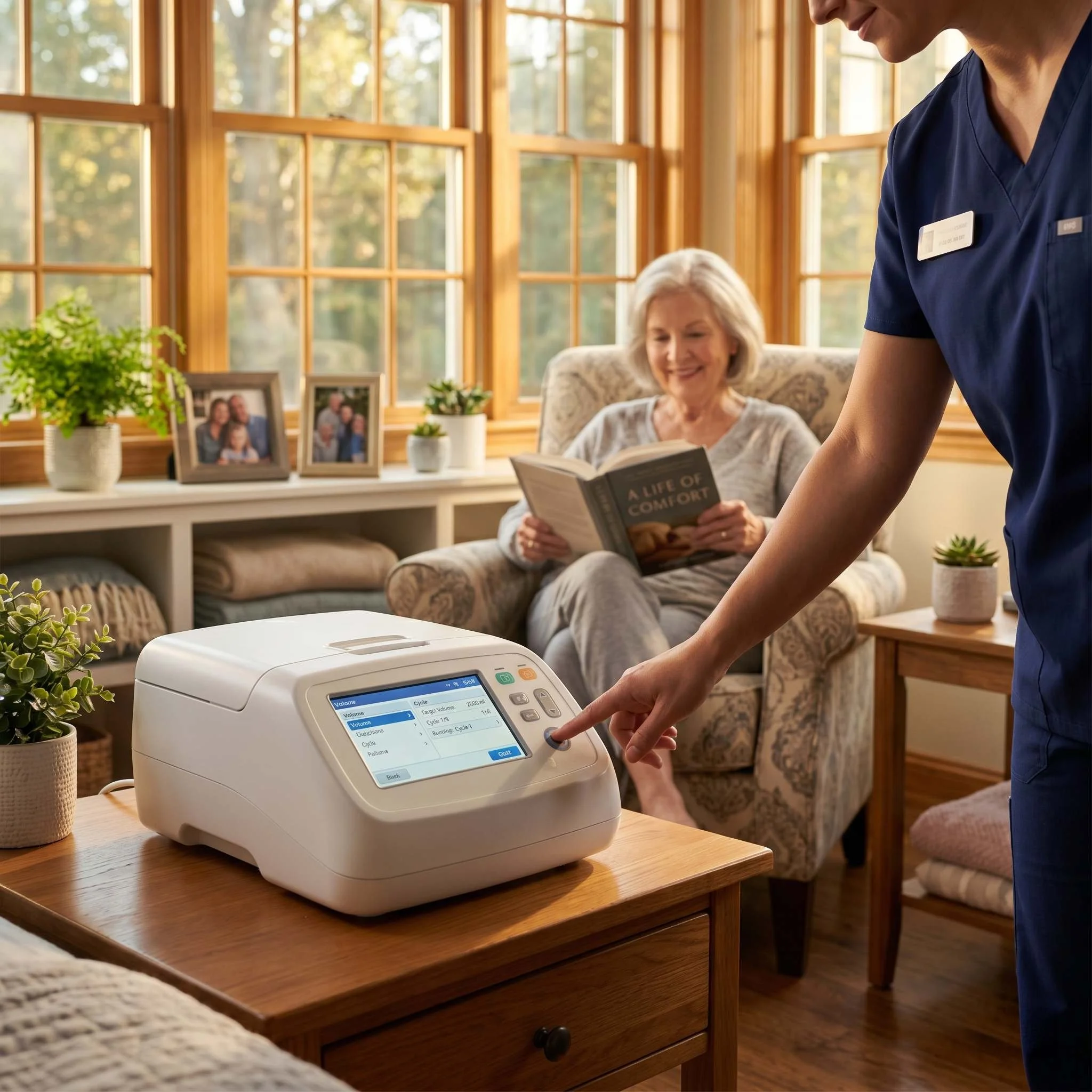
Image generated with AI for illustrative purposes only.
Yes, a senior on dialysis can legally live in a California assisted living home. These homes are also called Residential Care Facilities for the Elderly, or RCFEs. Finding a new home for an older parent is always very stressful for a family. When your loved one has late-stage kidney disease and needs regular dialysis, that worry grows.
Many adult children hear a scary myth. They think a hospital is the only choice if their parents need dialysis to live. Luckily, California law allows dialysis patients to live comfortably in assisted living homes. But getting approved can be tricky.
It all comes down to one important paper: the LIC 602A medical form. This guide will help you understand:
The Rules: How to avoid common paperwork mistakes.
The Homes: The exact difference between types of care homes.
The Next Steps: How to find safe, long-term care for your parents.
If you are facing an urgent hospital discharge and need immediate help, the team at lic602.com manages this specific paperwork problem for families. They talk directly to hospital managers and speak to doctors using exact medical terms to get the forms signed fast. You can hand this stress over to experts by submitting a request right now!
The Short Answer: Dialysis is a "Restricted" Condition
To understand California senior care, we have to look at the state rules called Title 22. Under these rules, assisted living homes focus on a social type of care, not a medical one. Their main goal is to keep seniors safe and help them with daily tasks.
The law sorts health issues into three groups: allowed, restricted, and banned. Dialysis is a "restricted health condition." This means the home can accept your parent, but only if they follow these strict rules:
Steady Health: Your parent's overall health must be stable and predictable.
Outside Help: Any medical steps for dialysis must be done by outside licensed nurses or doctors.
Clear Instructions: The home must write a very detailed Care Plan showing exactly how this care will work.
Assisted Living vs. Skilled Nursing: Picking the Right Care
Families often look for long-term care homes without knowing the difference between them. Assisted living homes are perfect for seniors who mostly need help with basic daily tasks. These are called Activities of Daily Living, or ADLs.
Common ADLs include:
Taking a bath safely.
Getting dressed each day.
Eating meals on time.
Moving safely around the building.
If your parent is mostly healthy and just travels to a clinic for kidney treatments, an assisted living home offers warm comfort. But if your parents are very sick or need a doctor watching them all the time, you need a different choice. For complex medical needs, doctors suggest a skilled nursing facility, or SNF, with dialysis.
| Care Feature | Assisted Living (RCFE) | Skilled Nursing Facility (SNF) |
|---|---|---|
| Main Focus | Social care (help with daily tasks, cozy space) | Medical care (active treatments, watching health) |
| 24/7 Nurses on Site | No (staff only helps with daily living tasks) | Yes (nurses watch patients around the clock) |
| How Dialysis is Done | Patient goes to a clinic or uses a visiting nurse | Often has special dialysis rooms inside the building |
| Best Fit For | Stable patients who want standard care and respect | Very sick patients with many medical issues |
The LIC 602A Form: The Key to Getting Approved
The doctor's report, known as the LIC 602A form, is the most important part of moving in. The director of the home uses this exact paper to decide if they can legally care for your parents.
The problem is that doctors rarely know all the tiny details of state laws. A busy, caring doctor might fill out the form too fast and make a huge mistake.
The "Skilled Nursing" Checkbox Trap
The most common reason a senior gets turned away is because of one specific question. The form asks if the patient needs skilled nursing care 24 hours a day. Let's look at why this simple question causes so much trouble:
| Who is Reading It | What "Yes" Means to Them | The Result for Your Parent |
|---|---|---|
| The Doctor | The patient is sick and needs a watchful eye. | Checks the box without knowing the rules. |
| The Director | The patient legally needs 24/7 medical nursing. | Must say "no" and turn your parents away. |
California law firmly says assisted living homes cannot take patients who need round-the-clock nursing. The form must clearly state that the patient is stable and only needs help with daily tasks. It must also show that they get their dialysis from outside experts.
Hemodialysis vs. Peritoneal Dialysis in Long-Term Care
Stressed families often search online for "nursing homes with dialysis near me." It is very important to know exactly what kind of kidney treatment your parents need. The daily care and the type of home you need will change completely based on this medical fact.
Here is a quick look at how the two main types of dialysis work in an assisted living home:
| Type of Dialysis | Where It Happens | Who Does the Medical Work | How Often |
|---|---|---|---|
| Hemodialysis | At an outside specialty clinic | Clinic doctors and nurses | About 3 times a week |
| Peritoneal Dialysis | Inside the patient's private room | A visiting home health nurse | Usually every day or night |
Important Details About the Treatments
Hemodialysis: This uses an outside machine to clean the blood. According to the Mayo Clinic, each session lasts about 3 to 4 hours. The home's staff will help your parents rest and stay comfortable when they return from the clinic.
Peritoneal Dialysis: This uses the lining of the patient's own belly as a natural filter. The National Institute of Diabetes and Digestive and Kidney Diseases says this is often done with an automatic machine while the patient sleeps. The home's staff is legally not allowed to touch the machines, so a visiting nurse must handle it.
The Care Plan: How Homes Keep Seniors Safe
Even if the LIC 602A form is perfect, California still requires a detailed Care Plan. This plan is needed for any resident with a restricted condition. This important paper protects both your parents and the home.
The Care Plan must clearly list:
The Schedule: Exactly what days and times treatments happen.
The Ride: Who is driving your parents to and from the clinic.
The Food: What safe meals the kitchen will prepare.
Dietary Management for Kidney Disease
Dialysis requires a very strict diet to prevent serious health risks. According to the Centers for Disease Control and Prevention (CDC), managing kidney disease means watching food very closely. The kitchen staff at the home must learn these rules to cook safe meals for your parents.
| Nutrient | Goal | Typical Assisted Living Menu Change |
|---|---|---|
| Sodium (Salt) | Under 2,000 mg a day | Cooking without extra salt and skipping processed meats. |
| Potassium | Watched closely | Giving apples and berries instead of bananas or tomatoes. |
| Phosphorus | Kept very low | Serving less dairy and avoiding dark sodas. |
| Fluids | Daily limit set by doctor | Care staff track measured drinks to ensure limits are met. |
How to Search for the Right Facility
Now that you understand the rules, your search becomes much easier. You can still look up familiar words online, but now you know exactly what to ask when you tour a home.
Always ask the directors these direct questions:
"Has your staff cared for residents on active hemodialysis before?"
"Do you offer a shuttle service to local clinics?"
"Can your chef always cook a strict diet for kidney patients?"
"Which outside home health agencies do you work with for peritoneal dialysis?"
By asking these questions, you will quickly know if the home is ready and able to help.
Let Us Handle the Paperwork and Protect Your Parent
Moving an older parent with severe kidney disease into assisted living is very hard. You should not have to stress over explaining confusing state laws to a busy doctor. A single wrong checkmark can stop your parents from having a comfortable retirement.
The truth is harsh. The smallest paperwork mistake on the LIC 602A form will lead to a quick "no." This wastes valuable time and causes deep stress for someone who just needs peace.
We highly suggest letting experts handle this important paperwork for a few simple reasons:
Save Time: Avoid frustrating delays caused by simple mistakes.
Reduce Stress: Let us talk to the doctors and handle the confusing state rules.
Ensure Success: Get the forms filled out correctly on the very first try.
Our helpful team at lic602.com focuses purely on filling out these medical forms quickly and correctly for California care homes. We know every paperwork trap and understand exactly what the home directors need. Let us do the heavy lifting for you. Fill out your request right now to make moving in easy and stress-free: https://www.lic602.com/request-form.
Conclusion: Moving Forward with Confidence
Finding the right care home for a parent on dialysis does not have to mean settling for a clinical hospital room. As we have seen, California assisted living homes can safely and legally welcome seniors who need this life-saving treatment. The real secret to a successful move-in is simply getting the paperwork right from the very beginning.
When you take the stress of paperwork off your shoulders, you have more time to ask good questions during your facility tours. Most importantly, it allows you to focus your energy on what truly matters: spending quality time with your family and supporting your loved one as they settle into their new home.
FAQ
Can a senior with End-Stage Renal Disease live in an assisted living facility?
Yes, under California Title 22 regulations, dialysis is safely managed as a Restricted Health Condition rather than a prohibited one. This means long term care facilities in California can accept your parents if they are medically stable and use medical outsourcing for the actual treatments. The home will just need a detailed Care Plan and a perfectly completed LIC 602A medical form.
Do I need a skilled nursing facility, or is an RCFE enough for my parents?
If your loved one mostly needs help with daily tasks (ADLs) like bathing, dressing, and eating, a standard assisted living home provides a warm, homelike environment. However, if their health is highly unstable and requires 24/7 medical monitoring, you should search for skilled nursing care facilities or a specialized SNF with dialysis.
Can my parents receive peritoneal dialysis directly in their private room?
Yes, families searching for nursing homes that do peritoneal dialysis near me are often relieved to learn that RCFEs allow this in-house treatment. Because the facility's caregivers cannot legally touch the machines, a visiting nurse from a licensed home health agency must come in to perform the medical work.
Who handles transportation to the outpatient clinic for hemodialysis?
Because hemodialysis requires a large external machine, the senior must travel to a specialized outpatient clinic about three times a week. Many long term care facilities with dialysis support offer dedicated shuttle buses, while others require the family to arrange private medical transport.
Why would a care home deny a stable dialysis patient?
Denials almost always happen because a busy doctor mistakenly checked the box for 24-hour skilled nursing care on the admission paperwork. This simple error legally prevents residential homes from accepting the patient, which is why getting professional help with the LIC 602A form is so important.
