
When Form LIC 602A Becomes Legally Void in California RCFEs
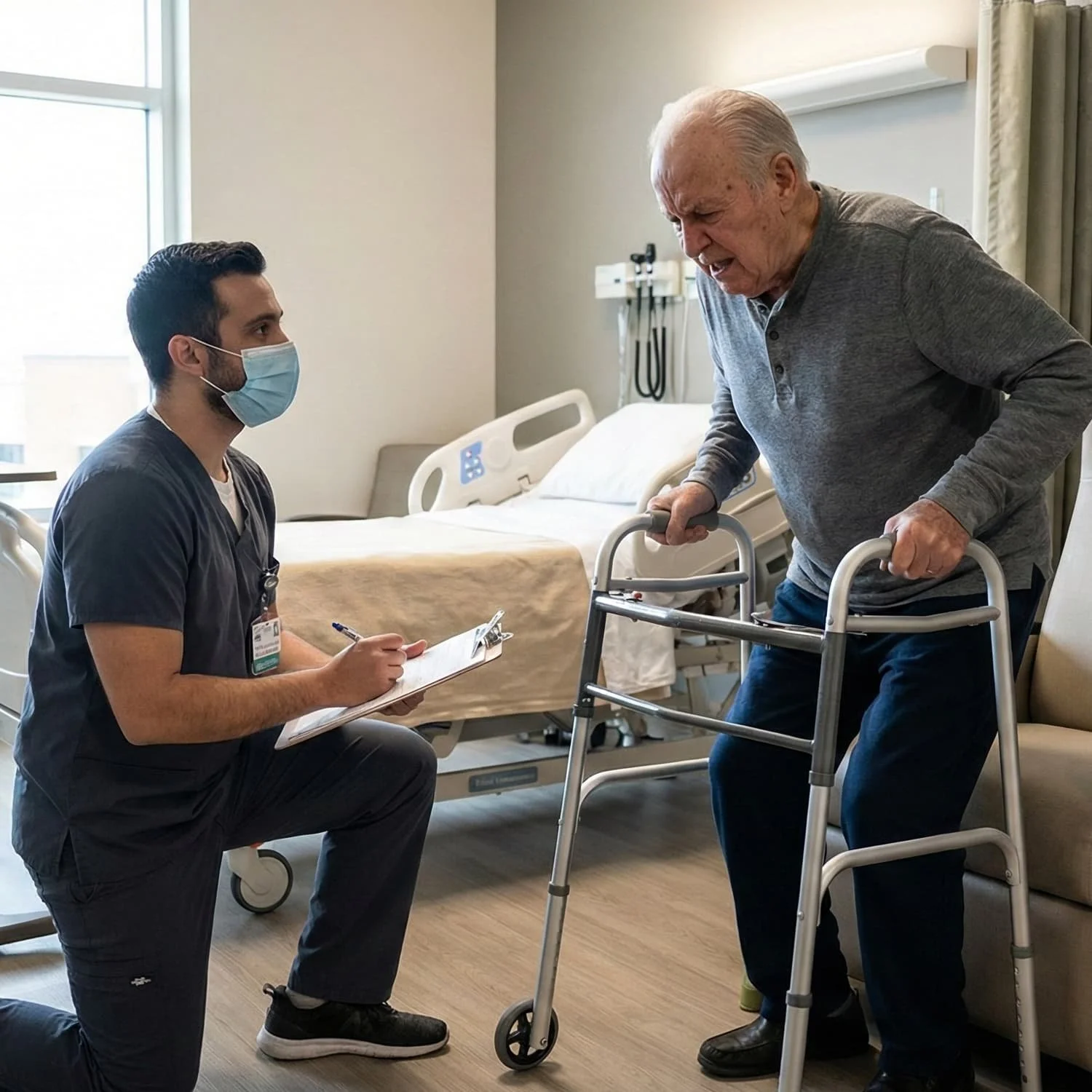
Image generated with AI for illustrative purposes only.
In California’s long-term care system, regulatory compliance hinges on the accuracy of the LIC 602A (Physician’s Report). This document is far from a permanent medical record; its legal and clinical validity is strictly limited by both calendar timelines—12 months for current residents and 90 days for new admissions—and sudden shifts in a resident's health, such as falls, hospitalizations, or changes in mobility. For facility administrators and families, recognizing the exact moment a Physician's Report becomes void is critical. Failing to update this documentation can lead to severe penalties from the California Department of Social Services (CDSS).
The Regulatory Framework of Form LIC 602A
Per the California Code of Regulations (CCR, Title 22, Section 87458), Form LIC 602A serves as the official certification that a resident can safely reside in a non-medical setting. Because Residential Care Facilities for the Elderly (RCFEs) are not clinical institutions, the law requires a licensed physician, Nurse Practitioner (NP), or Physician Assistant (PA) to verify that the individual does not require 24/7 skilled nursing care.
The document records medical history, current diagnoses, medication regimens, and self-care abilities. A pivotal component is the ambulatory status, which determines if an individual can evacuate the building unaided during an emergency. Any discrepancy between a resident’s actual physical state and the data on the form renders the document legally null.
Calendar Triggers: When the Report "Ages Out"
Even when a resident’s health remains stable, the LIC 602A has specific expiration dates mandated by the state:
Upon Admission: A medical exam must be conducted within one year prior to the admission date. However, in practice, most facilities consider the form void if it was signed more than 90 days prior to move-in. This is because a senior’s health can fluctuate significantly in just a few months.
The Annual Mandate: As of the 2025/2026 updates, California requires an annual medical assessment for all residents. Regardless of cognitive status, every resident must be evaluated every 12 months. If the one-year mark passes without a documented exam, the facility’s records are no longer in compliance with Title 22 standards.
"Significant Change in Condition" as a Validity Trigger
For current residents, the most complex aspect of LIC 602A validity is the "significant change in condition" doctrine. The form becomes void the moment a resident experiences a noticeable improvement or decline in physical, mental, or functional health that necessitates a shift in their care plan.
Indicators of Change Requiring an LIC 602A Update:
Functional Decline: Moving from independent walking to the consistent use of a walker or wheelchair.
Cognitive Shifts: The emergence of new behavioral expressions (e.g., aggression, wandering, or disorientation) not previously documented.
Acute Events: Strokes, heart attacks, or severe infections that require new medical interventions.
Falls and Hospitalizations: The Breaking Point for Documentation
Falls act as a primary catalyst for an automatic review of medical documentation. In an RCFE context, a fall is more than an accident; it is a clinical signal of potential underlying decline.
| Incident Type | Impact on LIC 602A Validity | Required Action |
| Fall without injury | Low (requires monitoring) | Internal documentation and 72-hour observation. |
| Fall with injury | High | Unusual Incident Report (LIC 624) and request for a new 602A. |
| Hospitalization | Critical | Comprehensive 602A update upon return to the facility. |
When a resident returns from a hospital or rehab center, their health status almost certainly differs from the pre-hospitalization report. The facility must conduct a reappraisal, reconcile new medication orders, and re-verify ambulatory status before the resident can be safely re-admitted to their room.
Ambulatory Status and Fire Safety
In California, ambulatory status is not just a medical category—it is a matter of fire safety and licensure.
Ambulatory: The resident can evacuate the building without human assistance.
Non-Ambulatory: The resident requires staff assistance or mechanical aids to exit.
If a resident is listed as ambulatory on their LIC 602A but begins using a wheelchair following an illness, that form is no longer valid. This creates a risk for Type A Deficiencies (immediate threat to safety) because a facility’s fire clearance often limits the total number of non-ambulatory residents allowed on-site.
Administrative Consequences for Facilities
The CDSS utilizes a strict penalty system for facilities operating with invalid LIC 602A forms.
Type A Deficiencies: These carry immediate civil penalties and can lead to license revocation if the outdated documentation resulted in a resident not receiving the required level of care.
Type B Deficiencies: These are less severe technical violations that still require mandatory "Plans of Correction" and can lead to fines if left unaddressed.
Conclusion
In 2026, Form LIC 602A remains a dynamic document that demands constant oversight. It ceases to be valid not only by the calendar but at the moment of any significant life event—be it a fall, a hospital stay, or a gradual decline in cognitive function. By proactively obtaining updated Physician’s Reports, facilities maintain regulatory integrity, and families gain peace of mind knowing their loved ones' care matches their current needs.
References
LIC 602A (4/25) Medical Assessment for Residential Care Facilities for the Elderly - California Department of Social Services — https://cdss.ca.gov/cdssweb/entres/forms/English/LIC602A.pdf
Cal. Code Regs. Tit. 22, § 87458 - Medical Assessment | State Regulations | US Law - LII — https://www.law.cornell.edu/regulations/california/22-CCR-87458
87463. Reappraisals. - View Document - California Code of Regulations - Westlaw — https://govt.westlaw.com/calregs/Document/I64D5CDD091E011EF8A0699F978AE9297?viewType=FullText&originationContext=documenttoc&transitionType=CategoryPageItem&contextData=(sc.Default
California RCFE Regulation Changes 2025: What to Know - ECP — https://www.ecp123.com/blog/california-new-rcfe-regulations
New Reappraisal Requirements for Residential Care Facilities for ... — https://www.hansonbridgett.com/publication/241127-5100-resident-reappraisal-requirements
California Assisted Living Compliance: Complete Guide for RCFEs ... — https://synkwise.com/news/california-assisted-living-compliance/
PHYSICIAN'S REPORT FOR COMMUNITY CARE FACILITIES - California Department of Social Services — https://www.cdss.ca.gov/cdssweb/entres/forms/english/lic602.pdf
CIVIL PENALTY ASSESSMENT - California Department of Social Services — https://www.cdss.ca.gov/cdssweb/entres/forms/English/LIC421.pdf
