
Conservatorship vs. Power of Attorney: Who Is Legally Authorized to Sign Form LIC 602A?
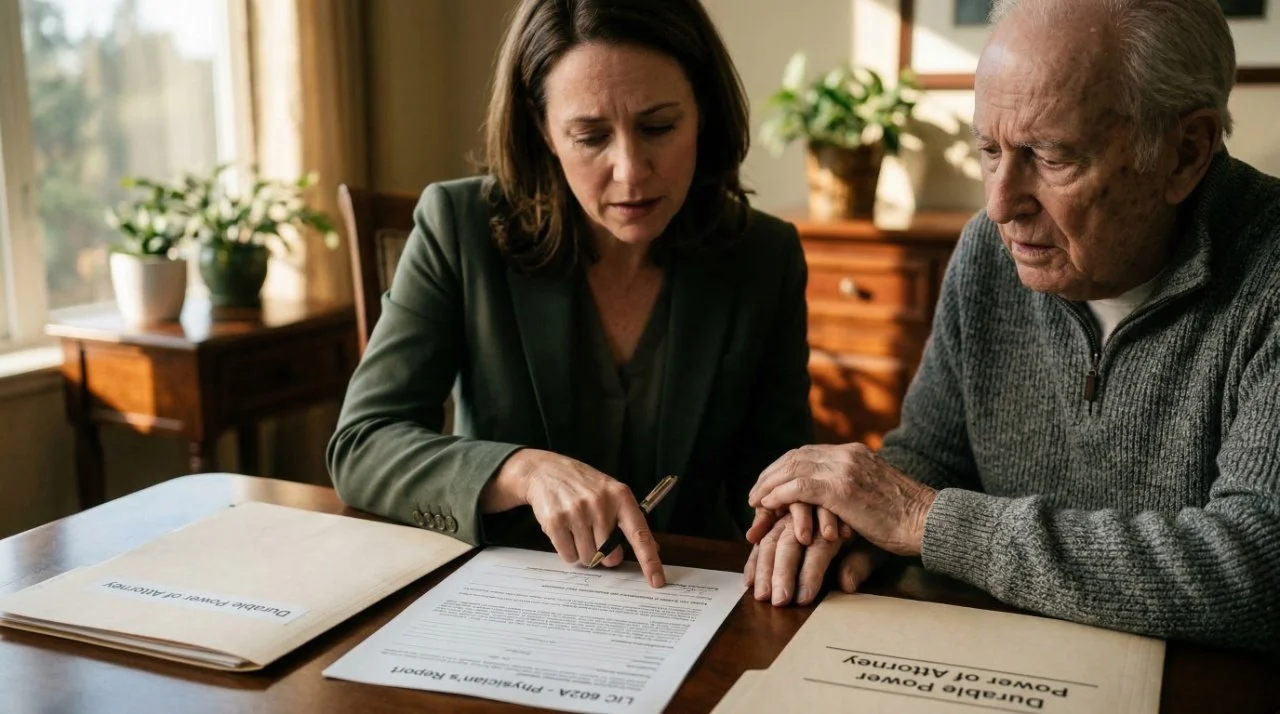
Image generated with AI for illustrative purposes only.
Moving a loved one into an Assisted Living facility or a Residential Care Facility for the Elderly (RCFE) is always an emotional journey. On top of the stress of the transition, there is a massive mountain of bureaucracy to climb. In California, the "golden ticket" for admission is the LIC 602A form (Physician’s Report).
One of the most frequent questions that leaves families stranded is: "Who has the legal right to sign the 'Authorized Representative' section if my parents are no longer able to sign for themselves?" Let’s break down the legal nuances of 2026 without the academic jargon.
Why the Signature on Form LIC 602A Matters
According to Title 22 regulations, the LIC 602A form is more than just a medical check-up. It is a legal document confirming that the facility's level of care matches the resident's health needs.
If the signature in the "Authorized Representative" section is provided by someone without the proper legal authority, the admission agreement could be deemed invalid, and the move-in could be blocked by Social Services during a routine audit.
DPOA vs. Conservatorship: Understanding Authority
In the California legal landscape, there are two primary paths to representing an elderly parent's interests.
1. Durable Power of Attorney (DPOA) — The "Gold Standard"
This is a document your parent signed in advance while they were of sound mind.
The Pro: This is the simplest and most cost-effective method.
The Nuance: Ensure it is a "Durable" Power of Attorney. This means it remains in effect even if the parent develops dementia or loses capacity.
Crucial Detail: The document must specifically grant the agent the power to make decisions regarding "placement" or "housing and medical care."
2. Conservatorship — When Time Has Run Out
If your loved one already has significant cognitive impairment (such as MCI or Alzheimer’s) and never signed a DPOA, you must petition the court for a Conservatorship.
The Process: The court issues "Letters of Conservatorship."
Signing Rights: Only after the court’s ruling do you become the legal representative authorized to sign the LIC 602A on their behalf.
Comparison: Which path are you on?
| Feature | Durable Power of Attorney (DPOA) | Conservatorship |
| How it’s established | Notarized document (Parent’s choice) | California Court Order |
| Cost | Low ($100–$500) | High ($3,000–$10,000+) |
| Timeline | Immediate | 3 to 9 months |
| When to sign | While parent has capacity | After parent lacks capacity |
For families who have secured the legal right to make healthcare decisions but aren't ready to transition to a facility yet, ABSI Home Care in Burbank provides a clinical alternative. They offer licensed home health services and skilled nursing, which allows a senior to receive professional medical care in their own home while the family navigates these legal and administrative requirements.
While securing legal authority is a vital first step, managing the day-to-day reality of cognitive decline is a separate challenge. To help families move from legal preparation to active, compassionate care, Dementia Partner serves as a dedicated support hub. It provides families with the specific communication techniques and behavioral insights needed to maintain a high quality of life for their loved ones throughout this complex transition.
Watch the Terms! "Responsible Party" vs. "Legal Representative"
Families often make the mistake of thinking that being "Next of Kin" (the closest relative) automatically gives them signing authority. In California, that isn't the case.
You cannot sign the form simply because you are the "favorite daughter" if you don't have a DPOA or a court order.
Facility staff (RCFE employees) are legally prohibited from acting as your representative or signing medical documents for you. This is a direct conflict of interest.
A Legal Representative is only someone whose authority is backed by a notarized seal or a judge’s signature.
2026 Checklist: What the Physician Needs to Know
When you visit the doctor to have the LIC 602A completed, keep these current requirements in mind:
90-Day Validity: The form is only valid for 90 days from the date of the doctor's signature until the move-in date.
Signing Authority: In addition to MDs, Nurse Practitioners (NP) and Physician Assistants (PA) are now authorized to sign, provided it falls within their scope of practice.
TB Testing: Ensure that tuberculosis test results (Chest X-ray or blood test) are current and clearly documented on the form.
How to Stay Sane Amidst the Bureaucracy
We know that right now, your attention belongs to your parents—providing support, care, and comfort. Spending your limited energy worrying if a doctor checked the right box for dietary restrictions or cognitive status is a luxury you can't afford during this stressful time.
As a word of friendly advice: you don't have to be an expert in everything. You can—and should—delegate the "paperwork stress." Services likelic602.com specialize in helping California families navigate these forms quickly and accurately. It’s a simple way to lift the weight of bureaucracy so you can focus on being there for your loved one during this transition. Let the experts handle the codes and compliance so you can handle the heart of the matter.
FAQ
Who is legally authorized to sign the LIC 602A form as an authorized representative?
In California, only an individual with a Durable Power of Attorney (DPOA) for healthcare or a court-appointed Conservator has the legal authority to sign. Being the "next of kin" or a close family member is not sufficient under Title 22 regulations without these specific legal documents.How long is the LIC 602A Physician’s Report valid for a move-in?
The form is valid for exactly 90 days from the date of the medical professional's signature. If the senior does not move into the Assisted Living facility or RCFE within this timeframe, a new physical assessment and updated form will be required.Can a Nurse Practitioner or Physician Assistant sign the LIC 602A?
Yes, current California guidelines allow a certified Nurse Practitioner (NP) or Physician Assistant (PA) to complete and sign the report. They must conduct a face-to-face evaluation to document the resident’s medical history, functional or cognitive impairments, and TB clearance.What happens if one of my parents has dementia and never signed a Power of Attorney?
If a senior lacks the mental capacity to sign a DPOA, you must typically apply for a Conservatorship through the California court system to gain signing authority. This court order grants you the legal right to make placement decisions and sign the necessary medical documentation for Memory Care or RCFE admission.Can a facility administrator sign the LIC 602A if I am unavailable?
No, employees or owners of an RCFE are strictly prohibited from acting as a legal representative or signing medical forms for their residents. This regulation is in place to prevent a conflict of interest and ensure that the senior's health and housing decisions are made by an independent, authorized party.
References
California Department of Social Services — https://cdss.ca.gov/cdssweb/entres/forms/English/LIC602A.pdf
California Code of Regulations (Title 22, § 87458) — https://www.law.cornell.edu/regulations/california/22-CCR-87458
Keystone Law Group — https://keystone-law.com/conservatorship-vs-power-of-attorney
Mullin Law Firm — https://www.mullinlaw.com/blog/2026/02/the-high-cost-of-delay-power-of-attorney-vs-conservatorship/
A Place for Mom —https://www.aplaceformom.com/caregiver-resources/articles/californias-form-602
