
What the “Bedridden” Box on LIC 602A Really Means for Fire Safety and Residency
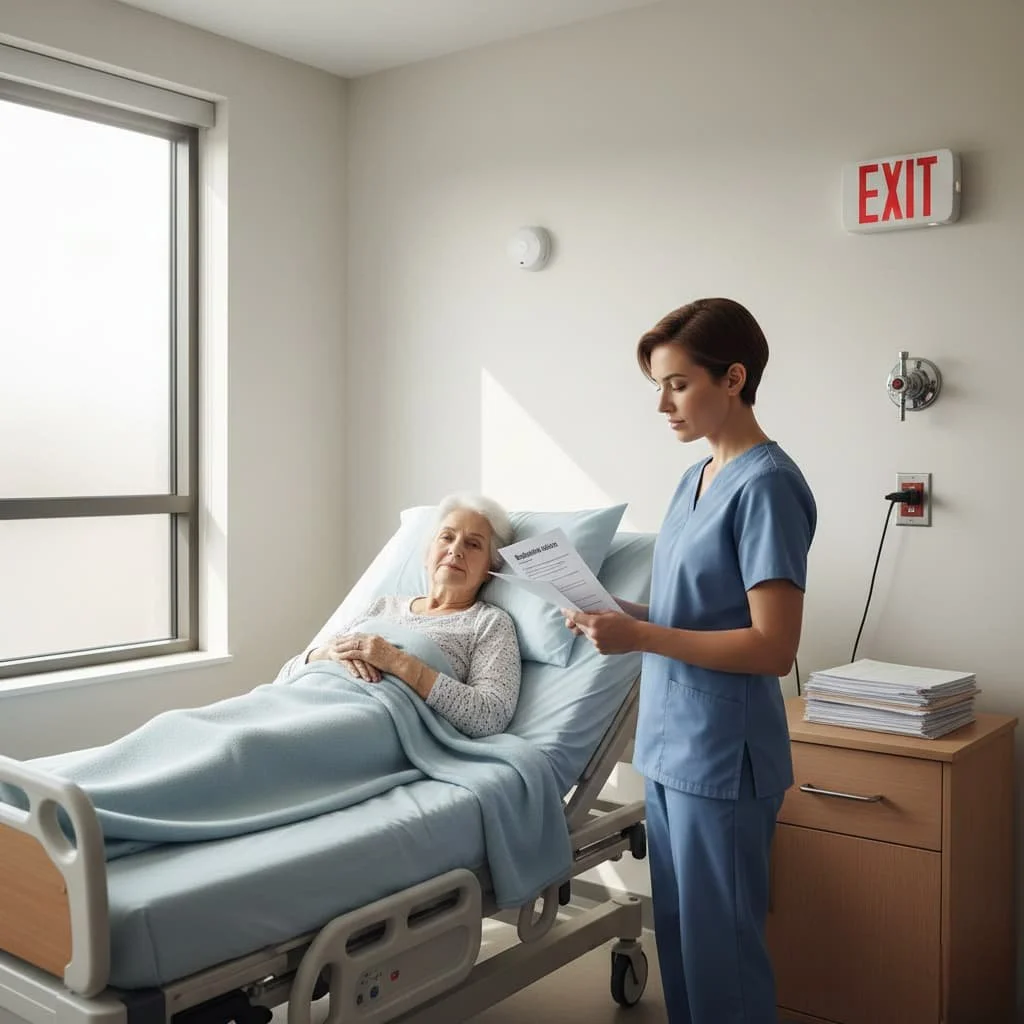
Image generated with AI for illustrative purposes only.
In Residential Care Facilities for the Elderly (RCFE) and Adult Residential Facilities (ARF), a single checkmark on a medical report can fundamentally change a resident's admission status and the facility's legal requirements. This mark is the “Bedridden” designation on California’s LIC 602A form.
It is crucial for providers to understand that for regulatory bodies, this is not just a medical term—it is a legal and fire safety classification. It directly determines whether your facility is licensed and equipped to safely house that individual.
Understanding the Purpose of the LIC 602A Form
The LIC 602A, or the "Physician’s Report," is more than a health history document. It is a key administrative tool that links the resident’s physical condition to the requirements of the Community Care Licensing (CCL) division.
Why the Bedridden Checkbox Matters
When a physician marks the “Bedridden” box, it immediately triggers special Fire Clearance requirements. If your facility lacks the specific approval to house "bedridden" residents, accepting or retaining that individual constitutes a direct violation of licensing regulations.
Defining “Bedridden”: The Regulatory vs. Clinical View
The biggest misconception providers face is assuming "bedridden" simply means the resident spends most of the day in bed.
Regulatory Definition (For LIC 602A)
According to California licensing rules, a resident is officially considered “bedridden” if they cannot get out of bed and leave the premises without the physical assistance of another person in an emergency (such as a fire).
Clinical Context (NIH, CDC, Mayo Clinic)
Leading health organizations offer context for why this status demands stringent care:
National Institutes of Health (NIH): Prolonged immobility leads to rapid sarcopenia (muscle loss), limiting a person's ability to assist in their own rescue.
CDC (Centers for Disease Control and Prevention): Immobile individuals have a significantly heightened risk of secondary infections, such as pneumonia.
Temporary vs. Permanent Bedridden Conditions
Temporary Status: A short-term condition (e.g., post-operative recovery). If lasting up to 14 days, it requires a temporary care plan and notification.
Permanent Status: A chronic condition requiring a formal, permanent modification of your facility's Fire Clearance.
How the Bedridden Box Affects Fire Clearance Requirements
Fire safety officials treat bedridden residents as the highest-risk group, requiring full assistance for immediate evacuation.
Fire Safety Classifications for Residents
Ambulatory: Can evacuate the building independently.
Non-ambulatory: Requires assistive devices or verbal prompts, but can move.
Bedridden: Requires physical lifting or wheeled egress via their bed/gurney.
Evacuation Standards and Compliance Responsibilities (CMS & Fire Safety Context)
Both state and federal standards (from bodies like CMS, concerning quality and safety) mandate strict measures for protecting immobile individuals:
Fire Suppression: The presence of a sprinkler system is often mandatory.
Emergency Planning: Facilities must have a detailed and tested evacuation plan for residents who cannot self-rescue.
Staff Training: Personnel must be trained in immediate, physical evacuation techniques.
Residency Eligibility Under the Bedridden Classification
When Facilities Can and Can’t Accept Bedridden Residents
CANNOT: Accept or retain the resident if your current Fire Clearance lacks the specific approval for the “Bedridden” category.
CAN: Only after receiving the official, approved Bedridden Fire Clearance from the local Fire Marshal and the CCL.
Legal Obligations Providers Must Follow
If a current resident becomes bedridden:
Immediate Notification: You must notify the CCL and the Fire Marshal immediately.
Resolution: Apply for an amendment to your Fire Clearance.
Transfer: If the clearance is denied, you are legally obligated to facilitate the resident’s transfer to a safer setting.
Best Practices for Providers Completing LIC 602A
Communicating With Physicians Effectively
Physicians often complete the form based on a medical diagnosis, not regulatory safety criteria.
Ask the Key Question: Clarify to the physician that the definition depends on safety. Ask: “Can the resident, using only their available assistive devices (if any), get out of the room during a fire alarm?” This helps the doctor make an informed decision aligned with licensing requirements.
Documentation Tips to Avoid Licensing Issues
Always review the LIC 602A before admission.
Keep a log of staff observations that corroborate the physician's report.
Supporting Residents Labeled as “Bedridden”
This status mandates precise protocols to prevent secondary complications related to immobility.
Care Strategies for Safety and Comfort
Care plans must integrate evidence-based clinical guidelines:
Pressure Ulcer Prevention (Mayo Clinic): Strict repositioning protocols every two hours are essential.
Infection Control (CDC): Due to the high risk of pneumonia and UTIs, care plans must include frequent respiratory exercises and strict personal hygiene control.
Environmental Adjustments to Reduce Risks
Safety Audit: Remove all physical barriers that could impede emergency access to the bedside.
Ensure emergency equipment and pathways are clearly accessible.
Conclusion
The “Bedridden” mark on the LIC 602A is not trivial—it is a legal and ethical obligation to provide an environment where the lives of the most vulnerable residents are protected. Adherence to licensing and fire safety norms is paramount to your facility's continued operation.
References
California Code of Regulations (CCR), Title 22, Division 6 - Residential Care Facilities for the Elderly (RCFE) Licensing Requirements
Centers for Disease Control and Prevention (CDC) - Guidelines for Infection Control and Immobility in Long-Term Care
National Institutes of Health (NIH) - Research on Sarcopenia and Functional Decline due to Immobility
Mayo Clinic - Clinical Guidelines: Pressure Ulcers (Bedsores) Prevention and Management
Centers for Medicare & Medicaid Services (CMS) - Emergency Preparedness Requirements for Healthcare Providers
Kaiser Permanente Division of Research - Safety and Mobility Studies in Assisted Living Environments
